Cryptocurrency Roundup: May 31, 2026 — Bitcoin Holds Steady as Institutional Flows Continue

Bitcoin Consolidates Near Key Psychological Levels
Bitcoin has been trading in a relatively narrow range, consolidating near the $95,000 level after failing to sustain moves above the psychologically important $100,000 mark that attracted significant selling interest in previous attempts. The world’s largest cryptocurrency has demonstrated remarkable resilience, finding consistent support from institutional buyers even as speculative trading activity has moderated from the frenetic levels seen during previous bull market cycles.
Sovereign wealth funds and institutional asset allocators have emerged as increasingly important sources of demand for Bitcoin in this cycle. The disclosure of positions by several major sovereign funds in recent regulatory filings has confirmed what many market observers had suspected — that significant official sector capital has been building exposure to digital assets through various channels that may not always be immediately visible in publicly available data.
On-chain metrics continue to suggest healthy underlying network dynamics. Active address counts and transaction volumes remain elevated compared to previous market cycles, indicating genuine utility demand rather than purely speculative activity. The Bitcoin mining ecosystem has seen significant evolution, with mining difficulty reaching new all-time highs and the hashrate — a measure of computational power dedicated to securing the network — continuing to climb despite the significant energy costs involved.
The approval and ongoing trading of spot Bitcoin exchange-traded funds (ETFs) in the United States has fundamentally altered the market structure of Bitcoin trading. These products have provided a familiar investment vehicle for institutional and retail investors who were previously reluctant to navigate the complexities of cryptocurrency custody and exchange relationships.
Daily inflow data into Bitcoin ETFs has become one of the most closely watched indicators of demand dynamics, often providing signals about market direction that are more timely than traditional technical analysis approaches. When ETF flows are positive and persistent, they tend to be associated with rising prices, while periods of consistent outflows have typically corresponded with price weakness.
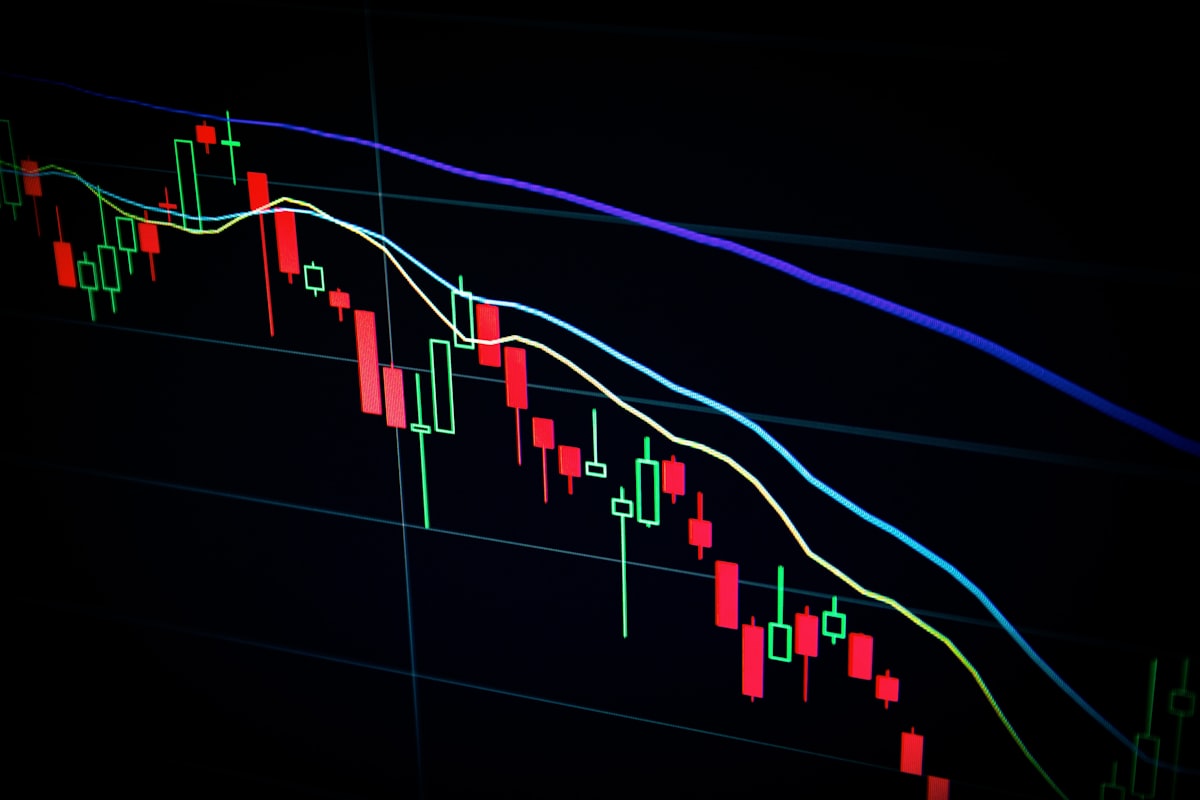
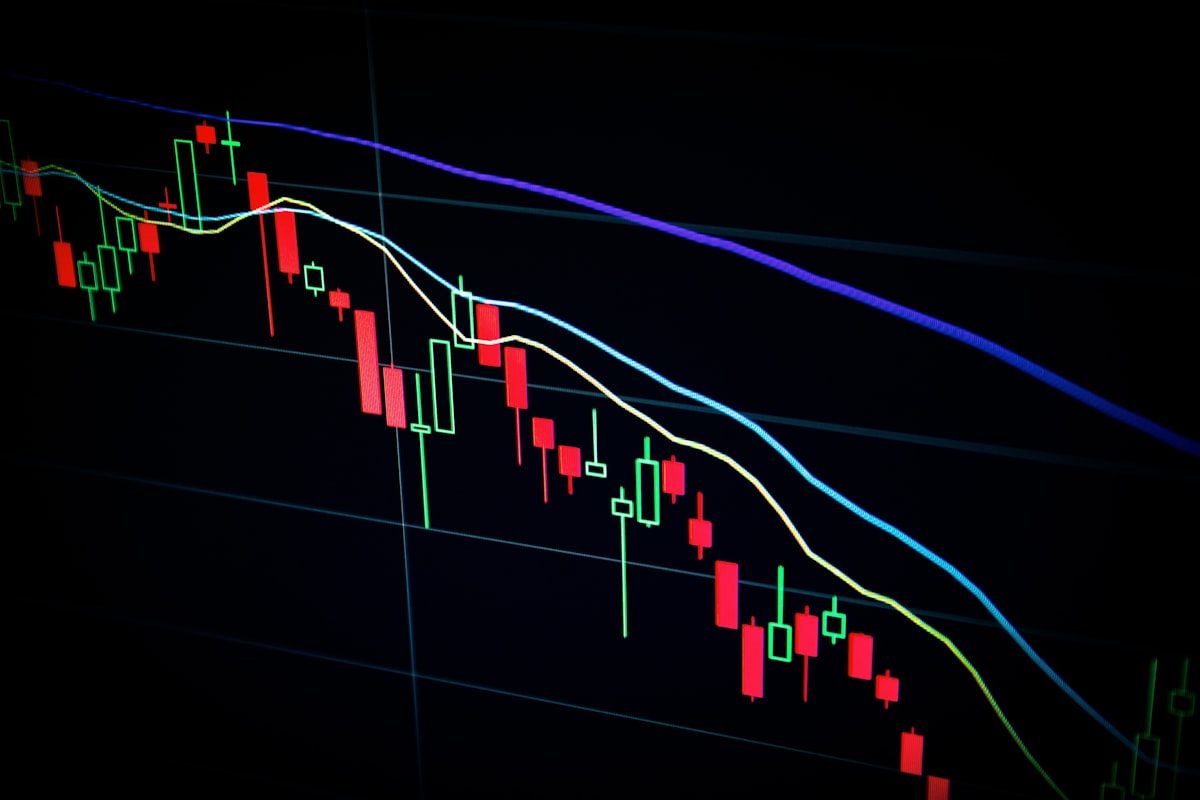
From a technical analysis perspective, Bitcoin continues to trace out a constructive higher-low pattern on the daily chart. Resistance at the round-number $100,000 level and the subsequent $110,000 zone represent the most significant obstacles to continued upside. Support is found near the $90,000 level and, more substantially, the $85,000 zone that has attracted consistent buying interest throughout the current rally.
Ethereum and Major Altcoins Track Bitcoin Higher
Ethereum, the second-largest cryptocurrency by market capitalization, has been trading in relative concert with Bitcoin, maintaining its characteristic correlation while also exhibiting its own idiosyncratic price drivers. The network’s successful transition to a more energy-efficient proof-of-stake consensus mechanism has reduced the environmental criticism that had been leveled at cryptocurrency mining, while also creating a structural change in the supply and demand dynamics of Ether itself.
The reduction in sell pressure from mining revenues that resulted from the proof-of-stake transition has been a consistent bullish factor for Ethereum’s fundamental supply and demand balance. With validators earning yields by securing the network rather than miners selling earned Ether to cover electricity costs, the selling pressure from the staking ecosystem has been meaningfully lower than the mining sell pressure of the previous mechanism.
Network usage metrics for Ethereum remain robust across multiple dimensions. Decentralized finance (DeFi) protocols continue to attract significant capital, with total value locked in DeFi applications representing a substantial base of ongoing economic activity on the network. The non-fungible token (NFT) marketplace, while less frenzied than the 2021-2022 period, continues to generate transaction volumes and fees that support the validator ecosystem.
Average transaction fees on the Ethereum network have stabilized at levels that remain accessible to most users while still providing adequate security incentives for validators. This balance between accessibility and security has been one of the more successful outcomes of the various scaling initiatives that have been implemented on the network over the past several years.
Other notable altcoins have shown varied performance relative to Bitcoin, with the performance dispersion across the cryptocurrency market being notably higher than in previous cycles. This higher dispersion reflects a maturation of the market where investors are more discriminating between projects based on their fundamental characteristics rather than treating all digital assets as a homogeneous risk asset.
The higher information efficiency in the cryptocurrency market means that trading strategies based on careful analysis of project fundamentals, adoption metrics, and technical development progress can potentially generate excess returns compared to purely passive approaches. However, the cryptocurrency market’s inherent volatility means that even the best-researched positions require disciplined risk management.
Institutional Cryptocurrency Adoption Continues to Build
The trend of institutional cryptocurrency adoption has continued to build momentum through the current market cycle, with several major developments supporting the growing legitimacy of digital assets within the traditional financial system. Asset management firms, family offices, and corporate treasury departments have all been increasing their engagement with cryptocurrency markets through a variety of regulated channels.
Regulatory frameworks in several major jurisdictions have provided additional clarity that has encouraged institutional participation. The approval of spot Bitcoin ETFs in the United States represented a watershed moment for the asset class, but the broader regulatory picture has also improved in other markets, with the European Union’s Markets in Crypto-Assets (MiCA) regulation providing a comprehensive framework that many companies have begun to utilize.
The introduction of regulated cryptocurrency derivatives and structured products has been particularly significant for institutional adoption. These familiar instruments allow investment managers to gain exposure to cryptocurrency price movements within their existing compliance and risk management frameworks, removing one of the key barriers that had previously prevented more widespread institutional participation.
Risk management frameworks for cryptocurrency investing have matured significantly as the asset class has grown. Industry-standard approaches to position sizing, portfolio construction, and counterparty risk assessment have emerged from the experiences of early institutional adopters and are now being adopted more broadly across the investment community.
The participation of official sector entities — central banks and sovereign wealth funds — has added a new dimension to the institutional cryptocurrency ecosystem. While the full implications of official sector participation remain to be seen, the validation that such participation represents for the asset class should not be underestimated.
Technical Analysis and Trading Setups
From a technical analysis perspective, Bitcoin has established a constructive higher-low structure on the daily chart that has maintained throughout the current consolidation phase. The 50-day moving average has established a bullish configuration relative to the 200-day moving average, with the shorter-term average trading above the longer-term average — a pattern known as a “golden cross” that has historically been associated with bullish momentum.
The relative strength index (RSI) on the daily chart has been oscillating in a range that suggests momentum is neither extremely overbought nor oversold, consistent with the consolidation phase that has characterized recent price action. This moderate RSI reading suggests that the current pause in Bitcoin’s advance is more of a natural consolidation following the previous gains rather than a sign of exhausted bullish momentum.
For swing traders, the current technical setup favors maintaining long positions in Bitcoin with disciplined stop-loss placement below key support zones. The $90,000 level represents the first line of defense for bullish positions, while the more significant $85,000 zone represents a level where buying interest has historically been particularly concentrated.
Position traders with longer time horizons may want to use the current consolidation phase as an opportunity to build or add to positions in high-quality cryptocurrency assets. The fundamental backdrop — improving regulatory clarity, growing institutional adoption, and evolving use cases — remains broadly supportive for the asset class over longer time horizons.
The cryptocurrency market operates 24 hours a day, seven days a week, providing continuous trading opportunities that are not available in traditional equity or fixed income markets. However, liquidity is not uniform across all assets or time periods, and traders should be mindful of execution quality, particularly during weekend sessions when trading volumes typically decline.
Cryptocurrency Adoption Trends Reshaping Finance
The adoption of cryptocurrency as a legitimate asset class has accelerated dramatically over the past several years, with major financial institutions, multinational corporations, and even sovereign governments taking positions that would have been unthinkable a decade ago. This mainstreaming of digital assets represents one of the most significant structural shifts in the history of financial markets, with implications that extend far beyond price movements in individual tokens.
Major banking institutions have been developing cryptocurrency custody and trading services for their clients, responding to demand from institutional investors who want exposure to digital assets but prefer to access them through familiar financial intermediaries. This institutional infrastructure is creating pathways for capital that previously had no appropriate vehicle for cryptocurrency allocation.
Corporate treasury adoption has been another important trend, with several multinational corporations adding Bitcoin and other digital assets to their balance sheets as part of treasury diversification strategies. These corporate holdings provide a new category of long-term holders whose conviction is not easily shaken by short-term price volatility, contributing to the reduced volatility that has characterized the market during recent months.
The development of real-world asset tokenization has been one of the more significant technological trends in the cryptocurrency space. The ability to represent traditional assets — including real estate, government bonds, and even art — as blockchain tokens has opened new possibilities for fractional ownership and around-the-clock trading of assets that were previously illiquid and inaccessible to most investors.
Decentralized finance protocols have continued to grow in sophistication and scale, offering lending, borrowing, and trading services that rival traditional financial intermediaries in terms of functionality while operating without the gatekeeping that characterizes legacy financial institutions. The total value locked in DeFi protocols has stabilized at levels that suggest genuine utility demand rather than speculative frenzies.
Key Market Data at a Glance
| Index / Asset | Session Change | YTD Performance |
|---|---|---|
| S&P 500 | +0.2% | +10.7% |
| Dow Jones | +0.7% | +8.3% |
| Nasdaq | +0.2% | +12.1% |
| 10-Yr Treasury | +4 bps | — |
| Gold | -0.8% | +6.2% |
| Oil (Brent) | +2.1% | +18.4% |
Trading Strategies for Current Conditions
The current market environment offers distinct opportunities for different trading styles. For swing traders, momentum strategies in technology and AI-linked names continue to outperform, with tight stop-loss discipline essential. For position traders, maintaining diversified sector exposure while focusing on high-quality companies with durable competitive advantages is advisable. Regardless of approach, risk management — appropriate position sizing, diversification, and disciplined use of stop-losses — remains the foundation of long-term success.
📌 Continue Reading: Understand how different types of traders navigate these market conditions. Read our guide What Is a Trader? to learn about different trading styles and strategies.
📰 Stay Updated: Follow our latest market analysis at Trading News for daily insights and trading opportunities.
⚠️ Risk Warning: The information above is for educational purposes only and does not constitute financial advice. Trading involves substantial risk of loss. Past performance is not indicative of future results.