What Is a Trader? Types, Strategies, and Trading Mindset
A trader is an individual who engages in the buying and selling of financial assets in various markets. Unlike investors, traders typically hold positions for shorter periods, aiming to profit from price fluctuations rather than long-term value appreciation.
Who Is a Trader?
A trader is anyone who participates in financial markets with the goal of generating profits through buying and selling assets. Traders can work for institutions, such as banks and hedge funds, or operate independently through personal trading accounts.
The trader’s primary objective is to identify and capitalize on market inefficiencies and price movements. This requires a combination of analytical skills, discipline, emotional control, and continuous learning.
Types of Traders
Traders come in many forms, each with different time horizons and strategies. Here are the most common types:
Day Traders
Day traders buy and sell financial instruments within the same trading day. They close all positions before the market closes to avoid overnight risk. Day trading requires quick decision-making, strong technical analysis skills, and the ability to handle high-stress situations.
Swing Traders
Swing traders hold positions for several days to weeks, aiming to capture price swings or trends. They use a combination of technical and fundamental analysis to identify potential price movements.
Position Traders
Position traders hold assets for months or years, similar to investors. They focus on long-term trends and macro-economic factors rather than short-term price fluctuations. This approach requires patience and a strong understanding of fundamental analysis.
Scalpers
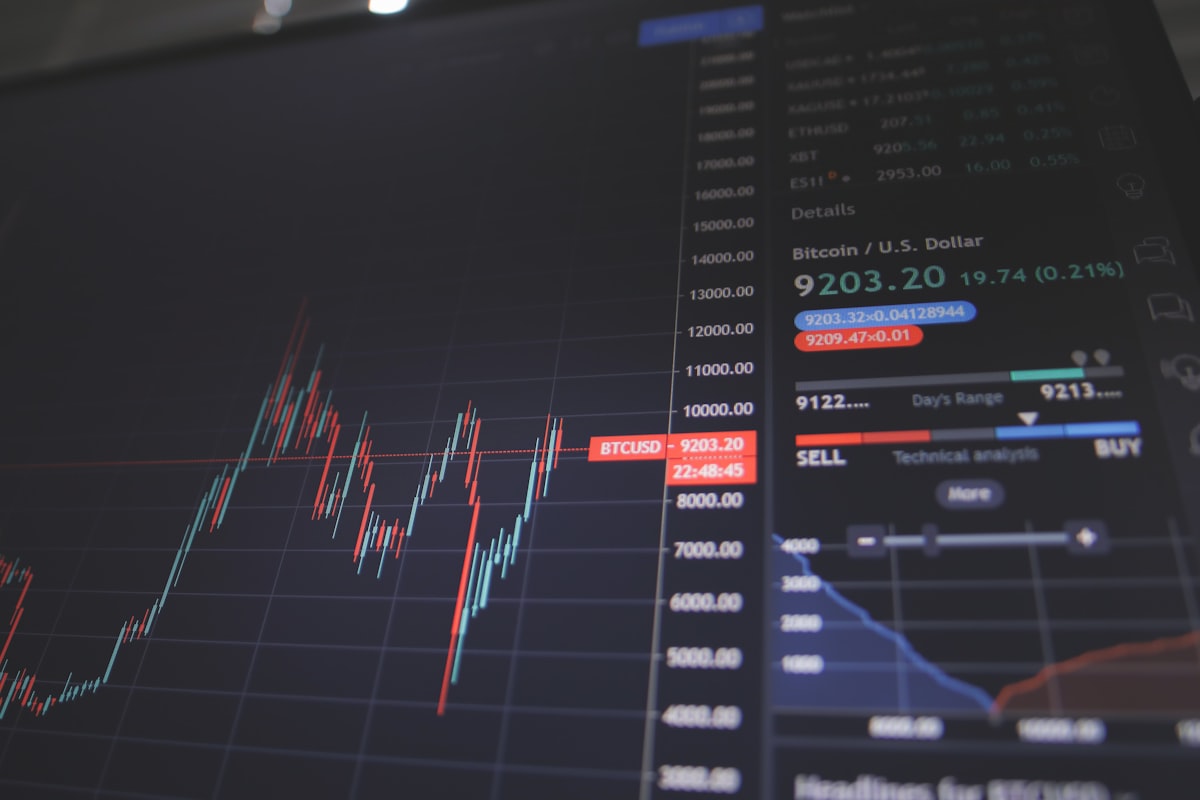
Scalpers make dozens to hundreds of trades per day, aiming to profit from tiny price changes. Profit per trade is small, but volume makes up for it. This approach requires intense focus, low-latency execution, and strict discipline.
Essential Trading Strategies
| Strategy | Approach |
|---|---|
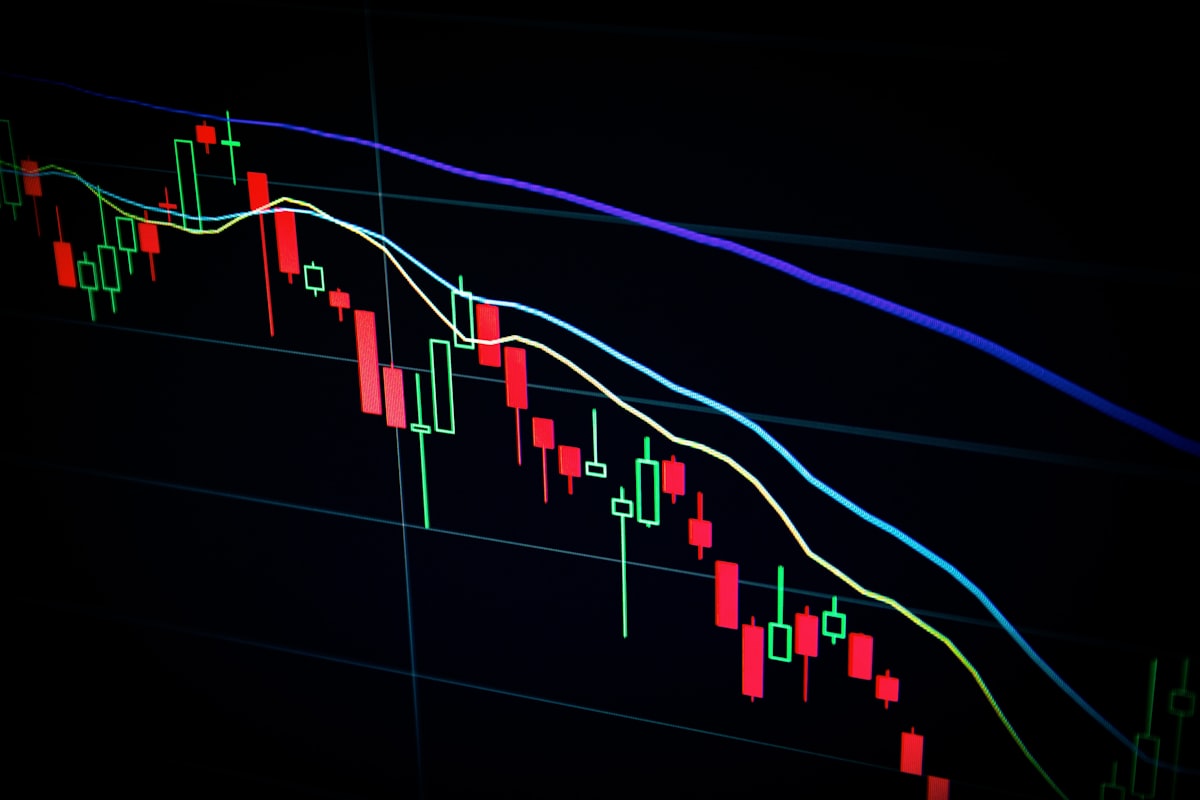
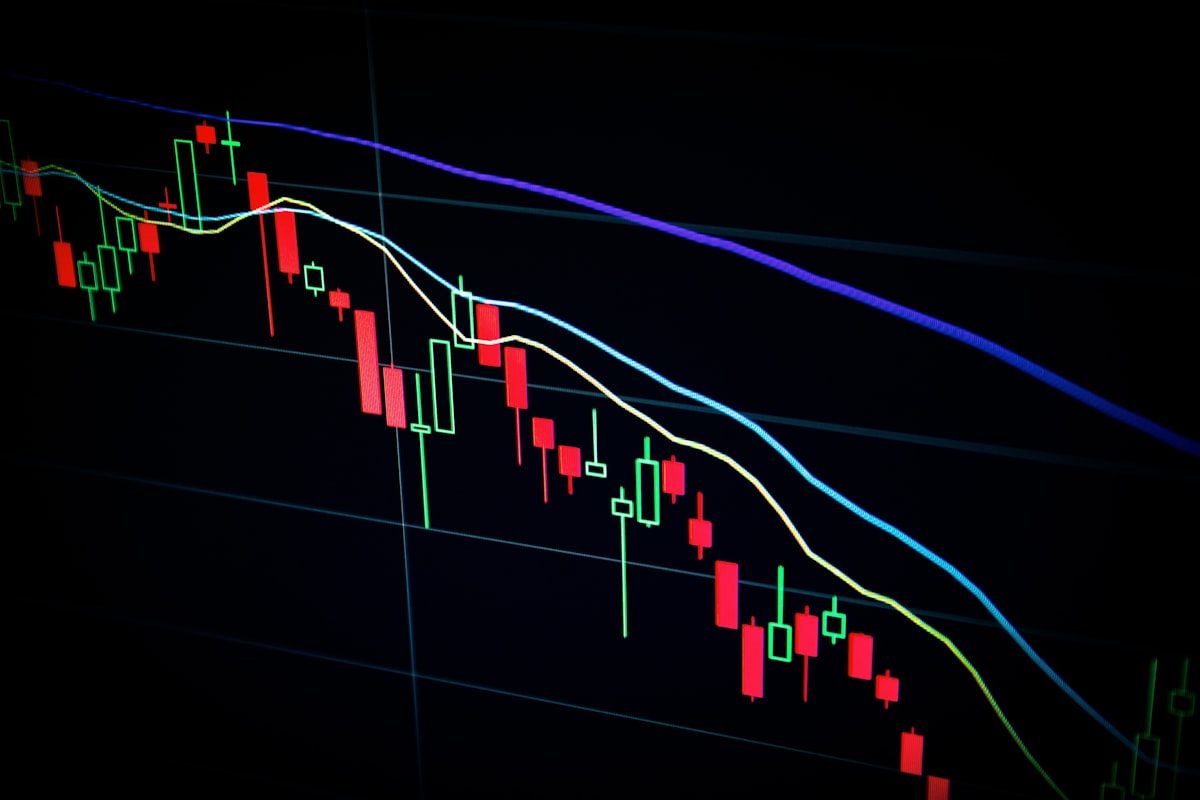
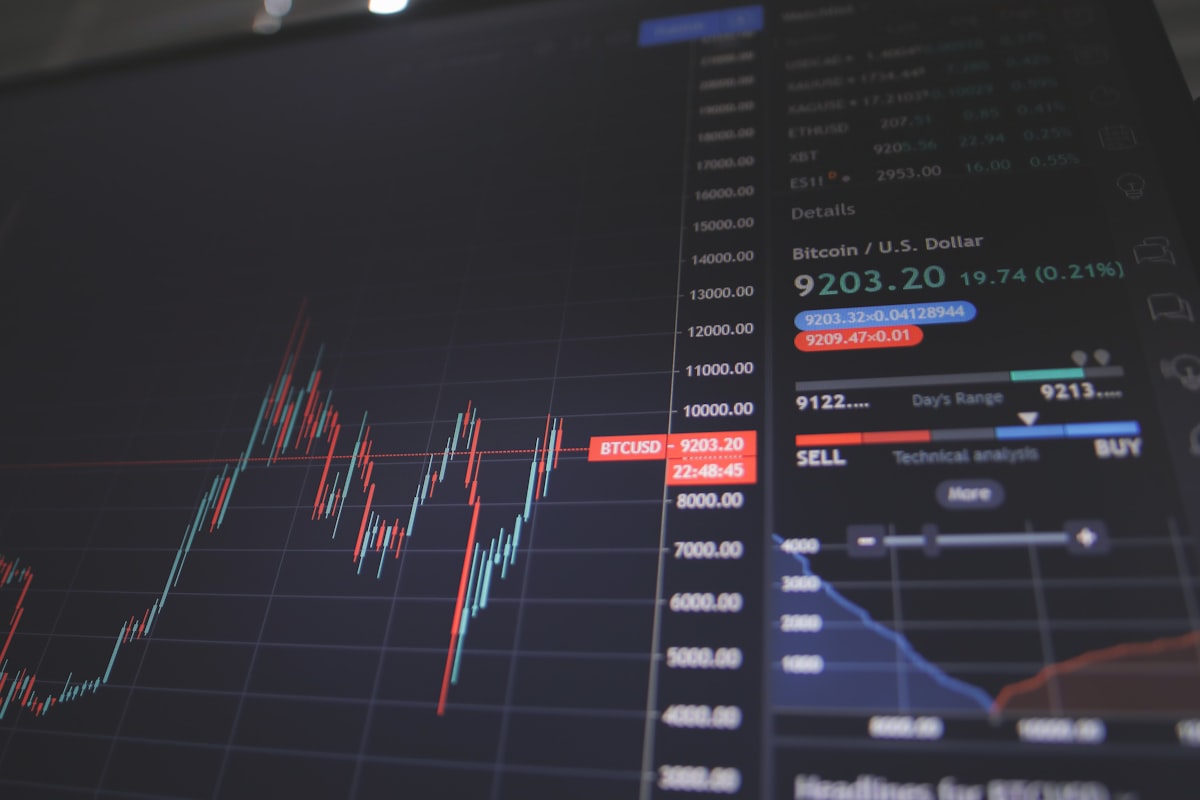
| Technical Analysis | Analyze price charts using indicators like RSI, MACD, and moving averages. |
| Fundamental Analysis | Evaluate assets based on economic data, earnings, and company financials. |
| Risk Management | Never risk more than 1-2% of capital on a single trade. |
| Trend Following | Identify and trade in the direction of established market trends. |
The Trading Mindset
Psychology plays a critical role in trading success. Common emotions that can negatively impact trading decisions include:
- Fear — Panic selling during market downturns instead of sticking to your plan.
- Greed — Overleveraging or holding winning positions too long hoping for more.
- Overconfidence — Taking excessive risks after a series of successful trades.
Discipline
Sticking to your trading plan, even when emotions urge you to deviate, is essential. Discipline means following your rules consistently and avoiding impulsive decisions based on short-term market noise.
Emotional Control
The best traders remain calm under pressure. They view losses as part of the process and do not let emotional reactions dictate their trading decisions. Developing emotional control takes time and practice, but it is one of the most valuable skills a trader can build.
Continuous Learning
Markets evolve constantly. Successful traders dedicate time to studying new strategies, reviewing past trades, and adapting to changing market conditions. The best traders are always students first.
Tools and Platforms
Modern traders rely on:
- Trading platforms like MetaTrader 4/5, TradingView, and thinkorswim
- Charting software for technical analysis and price pattern recognition
- News feeds for fundamental research and market intelligence
- Risk management tools like position calculators and economic calendars
Conclusion
Being a trader is more than just buying and selling. It requires knowledge, skill, discipline, and the right trading mindset. Whether you choose to day trade, swing trade, or hold positions long-term, understanding your approach and developing a solid trading plan are the first steps toward success in the financial markets.
📌 Related: Start with the fundamentals — read our guide What Is Trading? to understand how financial markets work before developing your trading strategy.
⚠️ Risk Warning: Trading involves substantial risk of loss and is not suitable for all investors. Past performance does not guarantee future results. Always trade responsibly.