What Is Trading? A Beginner Guide to Financial Markets
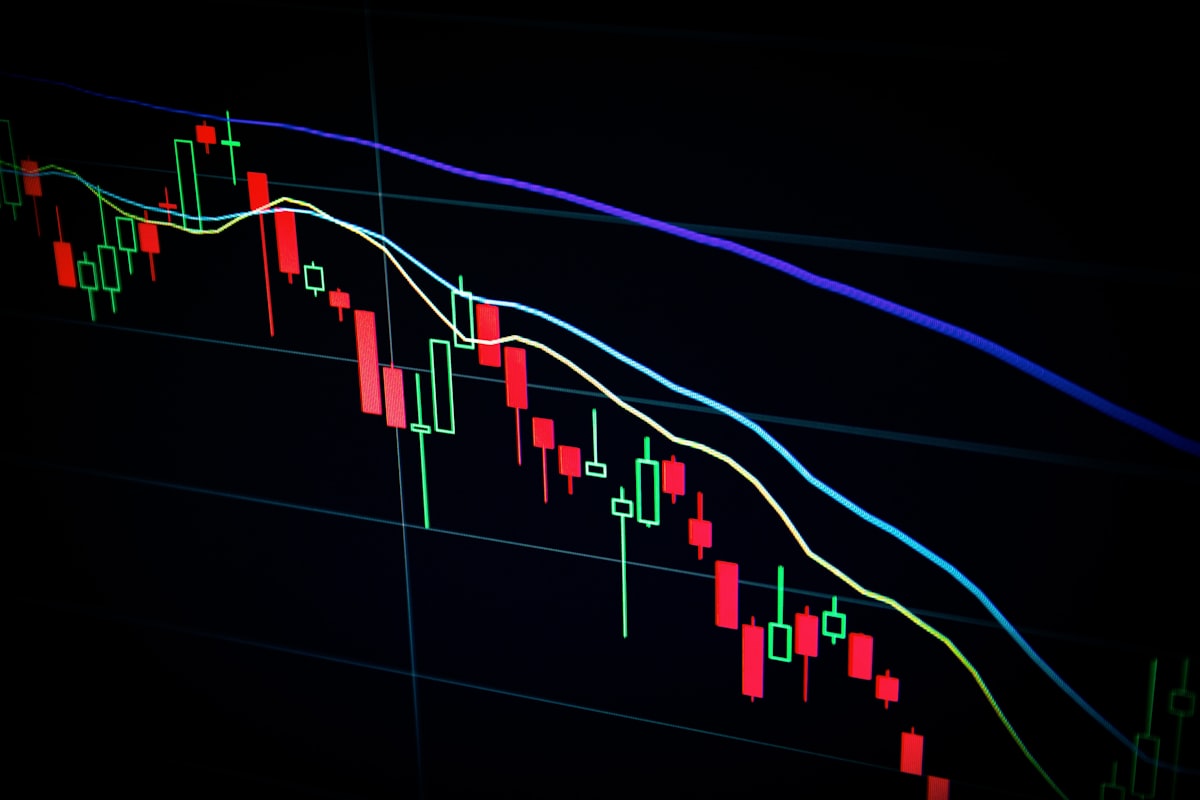
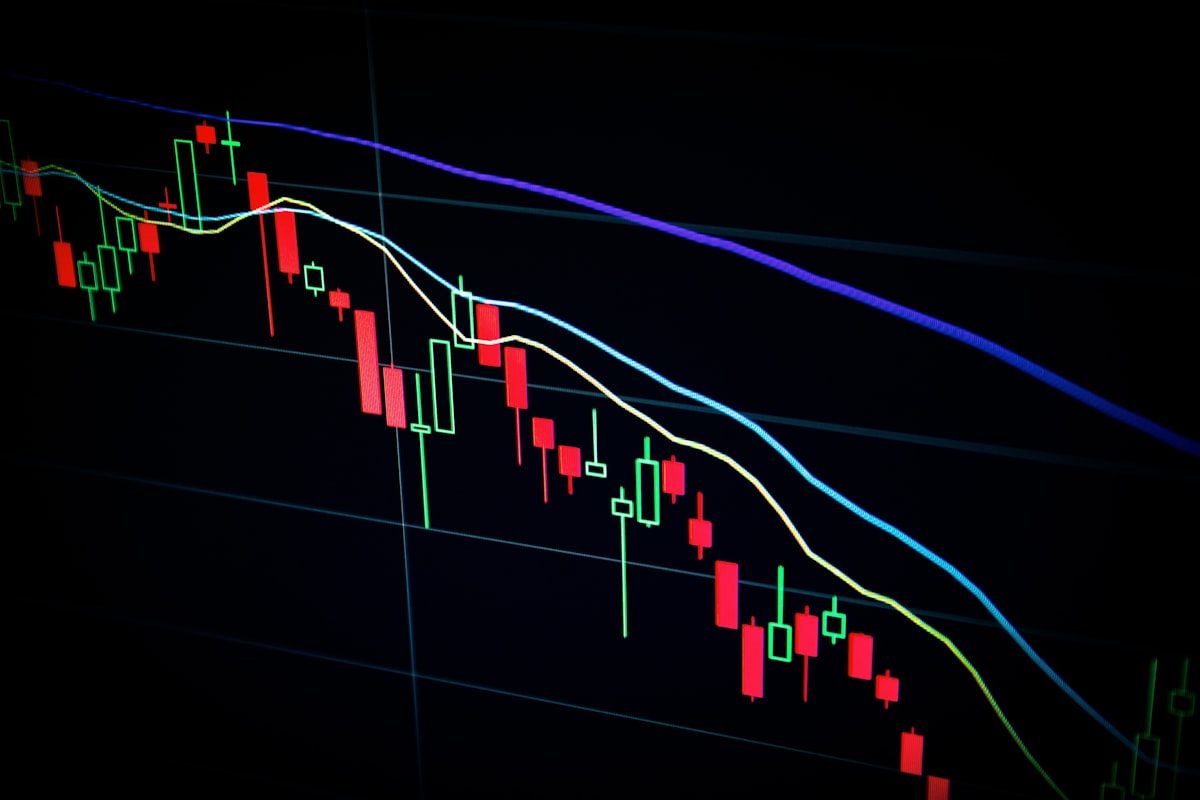
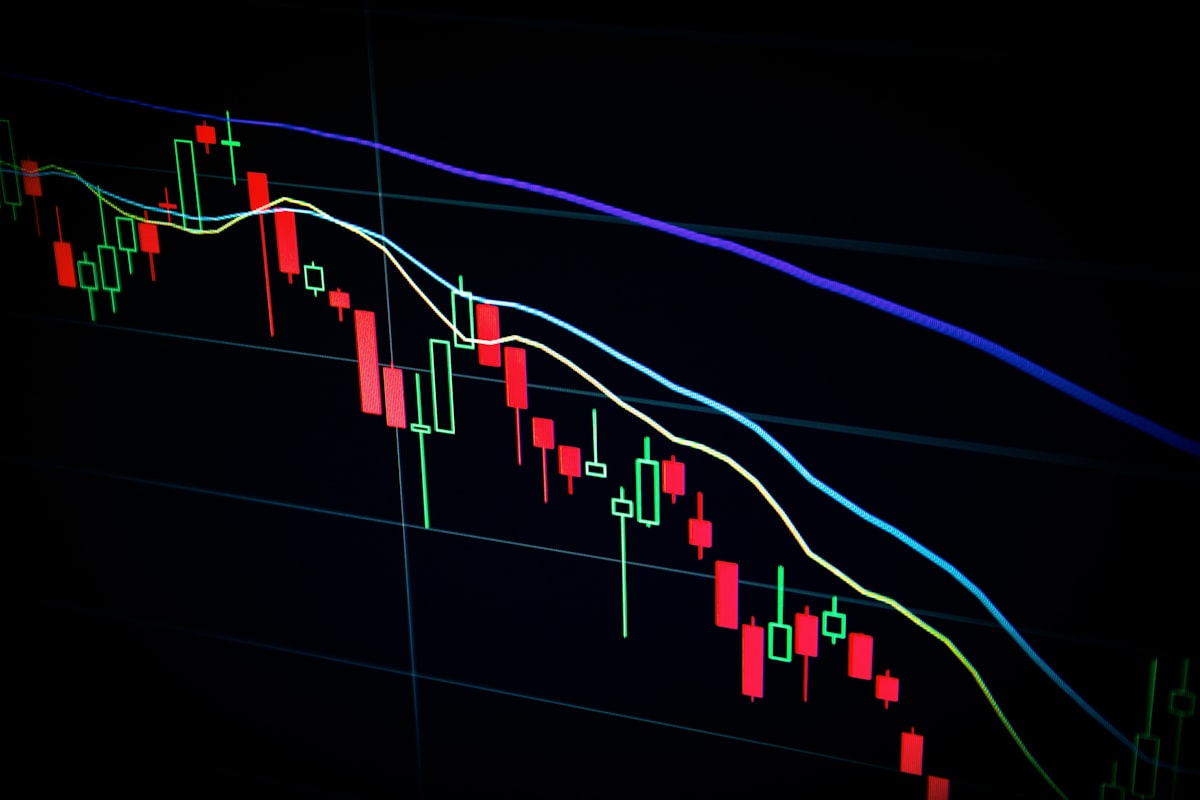
Trading is the act of buying and selling financial assets with the goal of making a profit. It occurs in various markets, including stocks, forex, commodities, and cryptocurrencies. Unlike long-term investing, trading focuses on short-term price movements and frequent transactions to capitalize on market volatility.
What Is Trading?
At its core, trading is exchanging one asset for another with the expectation that the asset’s value will change in your favor. Whether you are exchanging currencies in the forex market, purchasing shares of a company, or buying commodities like gold and oil, you are participating in the global financial markets.
The primary objective is simple: buy low and sell high. However, successful trading requires knowledge, strategy, discipline, and a deep understanding of market dynamics.
Types of Financial Markets
Understanding where trading takes place is essential for every trader. Here are the four major market categories:
Stock Markets
Stock markets are where shares of publicly traded companies are bought and sold. Major exchanges include the New York Stock Exchange (NYSE) and NASDAQ. Traders purchase stocks believing the company’s value will grow over time or in response to specific market conditions.
Forex Markets

The foreign exchange (forex) market is the largest and most liquid financial market in the world, with daily trading volumes exceeding $6 trillion. Currency traders exchange pairs like EUR/USD or GBP/JPY, profiting from fluctuations in exchange rates.
Commodity Markets
Commodity trading involves raw materials such as gold, silver, oil, and agricultural products. These markets provide opportunities for traders to hedge against inflation and diversify their portfolios.
Cryptocurrency Markets
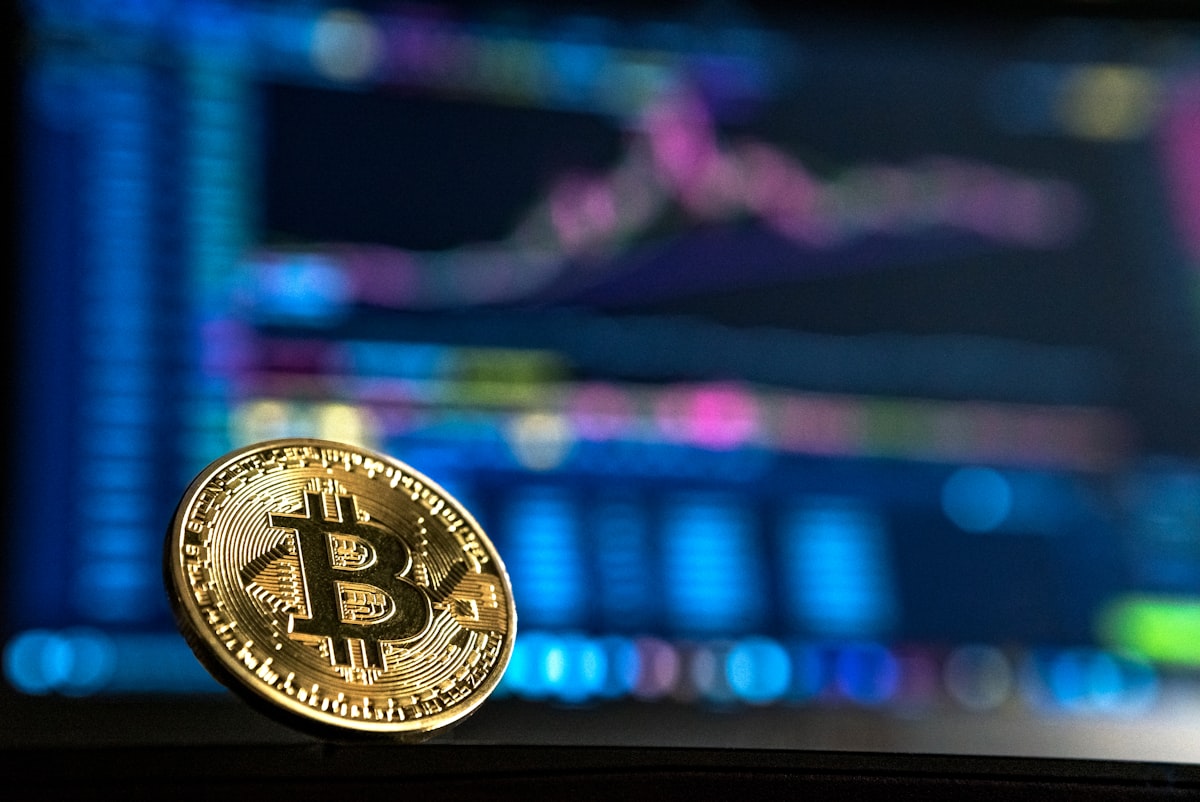
Digital currencies like Bitcoin and Ethereum have created a new asset class for traders. Crypto markets operate 24/7 and are known for their high volatility, offering significant profit potential alongside substantial risk.
Key Trading Concepts
| Concept | Description |
|---|---|
| Supply & Demand | The foundation of all trading — when buyers exceed sellers, prices rise. |
| Liquidity | How easily an asset can be bought or sold without affecting its price. |
| Volatility | Measures price fluctuations — higher volatility means greater risk and opportunity. |
Why Do People Trade?
- Financial Independence — The potential to earn substantial income from home has made trading increasingly accessible through online brokerage platforms.
- Portfolio Diversification — Traders use various instruments to diversify their income streams, reducing overall portfolio risk.
- Intellectual Challenge — Trading requires constant learning, analysis, and adaptation. For many, the intellectual challenge is as rewarding as the financial returns.
Getting Started With Trading
To begin your trading journey, you need:
- A trading account with a reputable broker
- Capital to fund your trades
- Education about markets and strategies
- A trading plan with clear rules and risk management
Conclusion
Trading is a dynamic activity that offers significant profit potential but demands knowledge, discipline, and risk management. Whether you are interested in stocks, forex, commodities, or cryptocurrencies, understanding the fundamentals is your first step toward becoming a successful trader.
📌 Related: Learn more about the people behind these markets in our guide What Is a Trader? — understand the types, strategies, and mindset of successful market participants.
🚀 Ready to start? Visit our Getting Started page for beginner resources and market guides.